


Polo Shirts
Put the same brand on the people meeting customers.
From £7.80
Production options
Artwork routes
Delivery options configured
Smooth & sophisticated
From · inc VAT
£25.64
Made to order — available to configure
Quantity
Printed Sides
Turnaround
Artwork route
Upload finished artwork or send the requirement to our design team. Product-specific file requirements should be confirmed before production.
Artwork
Configured total · inc VAT
£25.64
Buying guide
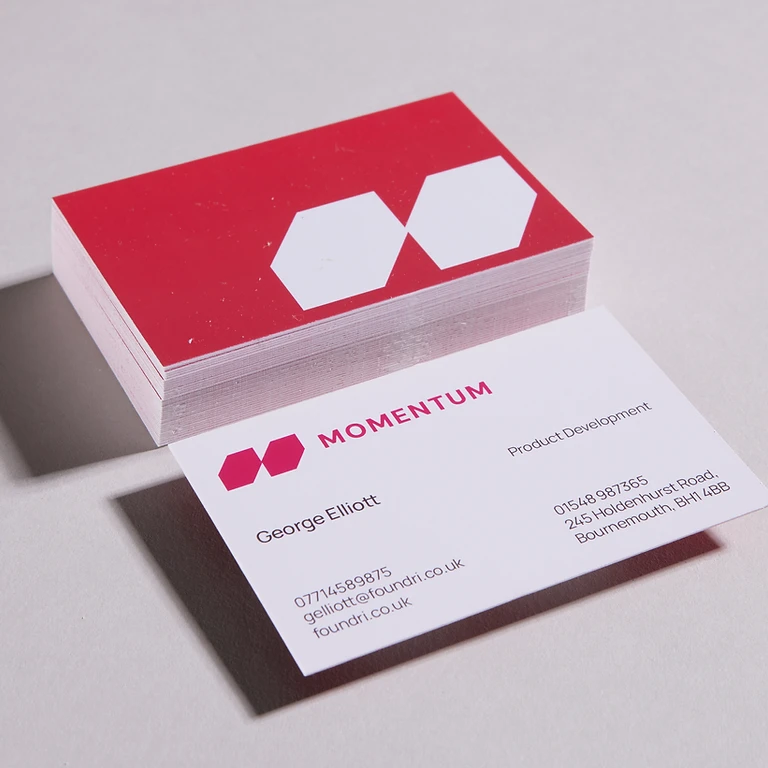
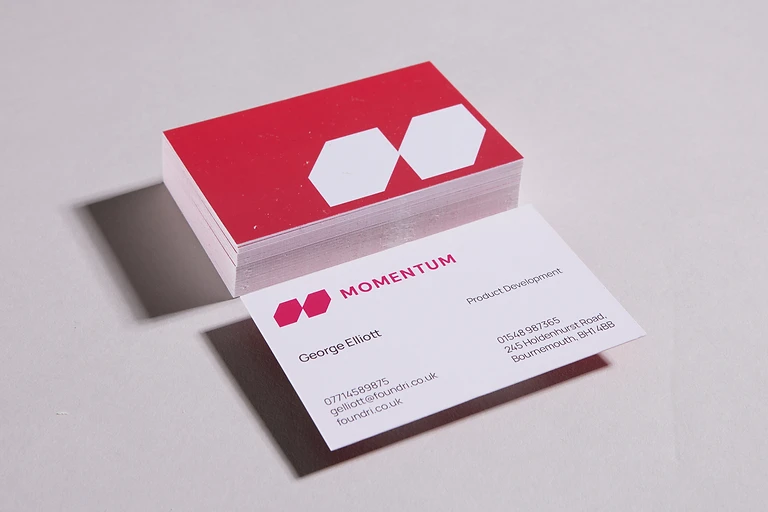
Matt lamination gives a business card a lower-glare finished surface and changes how colours and reflections feel in the hand. It suits many everyday and premium cards where a restrained presentation is more useful than a high-shine finish. The laminate also covers the printed surface, so consider whether the card needs handwriting, stamping or another post-print use before choosing it. Strong typography and clear spacing remain more important than the finish itself. If the artwork depends on very glossy colour or reflective contrast, compare gloss, soft-touch, foil or Spot UV options rather than assuming matt is automatically the premium choice.
Configured delivery services are shown during checkout where applicable. Production timing is confirmed from the selected product specification before production starts.
Artwork
File setup & preflight
Bleed, safe areas, resolution and file preparation.
Materials
Compare substrates
Choose materials from the application, not guesswork.
Range
More Business Cards
Compare sibling products before choosing the final specification.
Expert guides for this product
Business Cards
Matt vs gloss lamination
Choose matt lamination for a more restrained, low-glare finish and gloss when you want stronger shine and colour punch. Soft-touch adds a more tactile premium feel but should be chosen for the brand and use, not simply because it costs more.
Read guideBusiness Cards
What size should a business card be?
For most UK businesses, 85 × 55mm is the safest business card size because it fits standard wallets and card holders. Square cards are better when standing out matters more than fitting conventional holders.
Read guideBusiness Cards
Soft touch, foil or Spot UV business cards?
Soft touch changes the feel of the whole card, foil adds a metallic focal element, and Spot UV creates selective gloss contrast. The best finish is the one that supports the design; combining every premium effect can make a card busier rather than better.
Read guideWhat is the advantage of matt lamination?
It creates a smoother, lower-glare surface and changes the handling feel of the card. Whether that is an advantage depends on the brand and how the card will be used.
Matt or uncoated business cards?
Choose matt laminate when you want a sealed finished surface; choose uncoated when a more natural paper feel or easier writeability is important.
Matt vs gloss?
Matt is subtle and sophisticated; gloss is vibrant and punchy.
Help us make the site better
Essential storage keeps core site features working. Optional first-party analytics are used only if you allow them.
